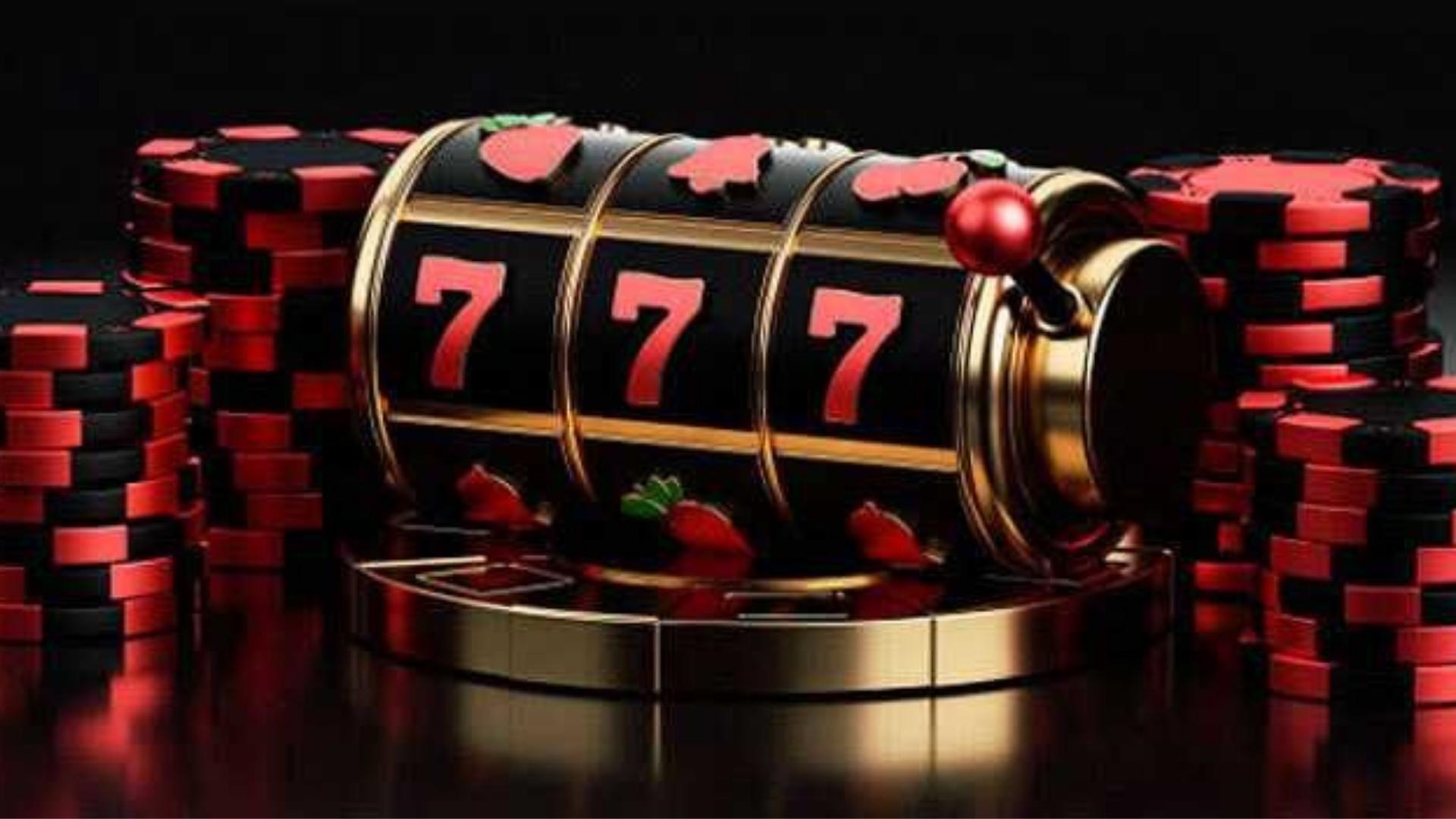
Navigating table games often starts with recognizing simple binary wagering options like black and red outcomes. These straightforward mechanics allow beginners to engage with classical casino mechanics without needing to learn complex strategic rules right away. Understanding how these color-based choices work provides a foundational view into traditional probability and game design.
The Core Mechanics of Color-Based Gambling
Color wagering is most famous in games like roulette, where numbers are split evenly between black and red pockets. Players select one of the two colors, hoping the wheel landing outcome matches their choice for an even-money payout. Because of the simple options, these choices remain among the most widely recognized gaming formats across physical and digital floors.
However, house advantage features like green zero segments prevent color choices from being a pure fifty-percent probability. Recognizing how these extra pockets influence overall odds is essential for managing expectations during gameplay. Players exploring modern platforms like m88 login terbaru often examine these mathematical foundations before settling into preferred table options.
Card Games Incorporating Color Betting Concepts
Beyond traditional wheel games, card-based titles also frequently incorporate simple black and red betting dynamics. Certain variation games allow players to predict the suit color of the next dealt card as a primary or side wager. These fast-paced side bets add extra layers of interaction without altering the core rules of standard card play.
Because playing card decks consist of equal numbers of red and black suits, tracking dealt cards subtly alters active probabilities. While counting suits offers minimal long-term advantages in randomized settings, it creates an engaging experience for players analyzing table trends. Understanding suit composition helps casual participants enjoy card games with greater strategic awareness.
Probability and Odds Breakdown in Even-Money Bets
Even-money bets are structured to double the initial stake upon a winning outcome, offering low volatility compared to high-payout single-number bets. In standard European roulette, choosing a color carries a forty-eight-point-six percent chance of winning due to a single zero pocket. American wheels slightly reduce these odds further by introducing a double zero pocket alongside the single zero.
Understanding these mathematical margins ensures that players view color wagers as entertainment rather than predictable income streams. Over short periods, winning streaks can occur, but probability always trends toward the house edge over extended play. Recognizing the balance of risk and reward leads to healthier decision-making during table sessions.
Managing Bankroll on Binary Outcome Games
A structured approach to bankroll management is critical when participating in games offering binary choices. Because wins and losses can happen in rapid succession, setting strict session limits helps prevent emotional decisions. Dividing funds into fixed wagering units ensures that players enjoy the experience without overspending.
Popular betting progressions, such as adjusting stakes after wins or losses, are often applied to red and black betting. While these systems help organize gameplay, they cannot overcome the inherent mathematical house advantage over time. Responsible entertainment relies on enjoying the flow of the game while respecting pre-determined budget boundaries.