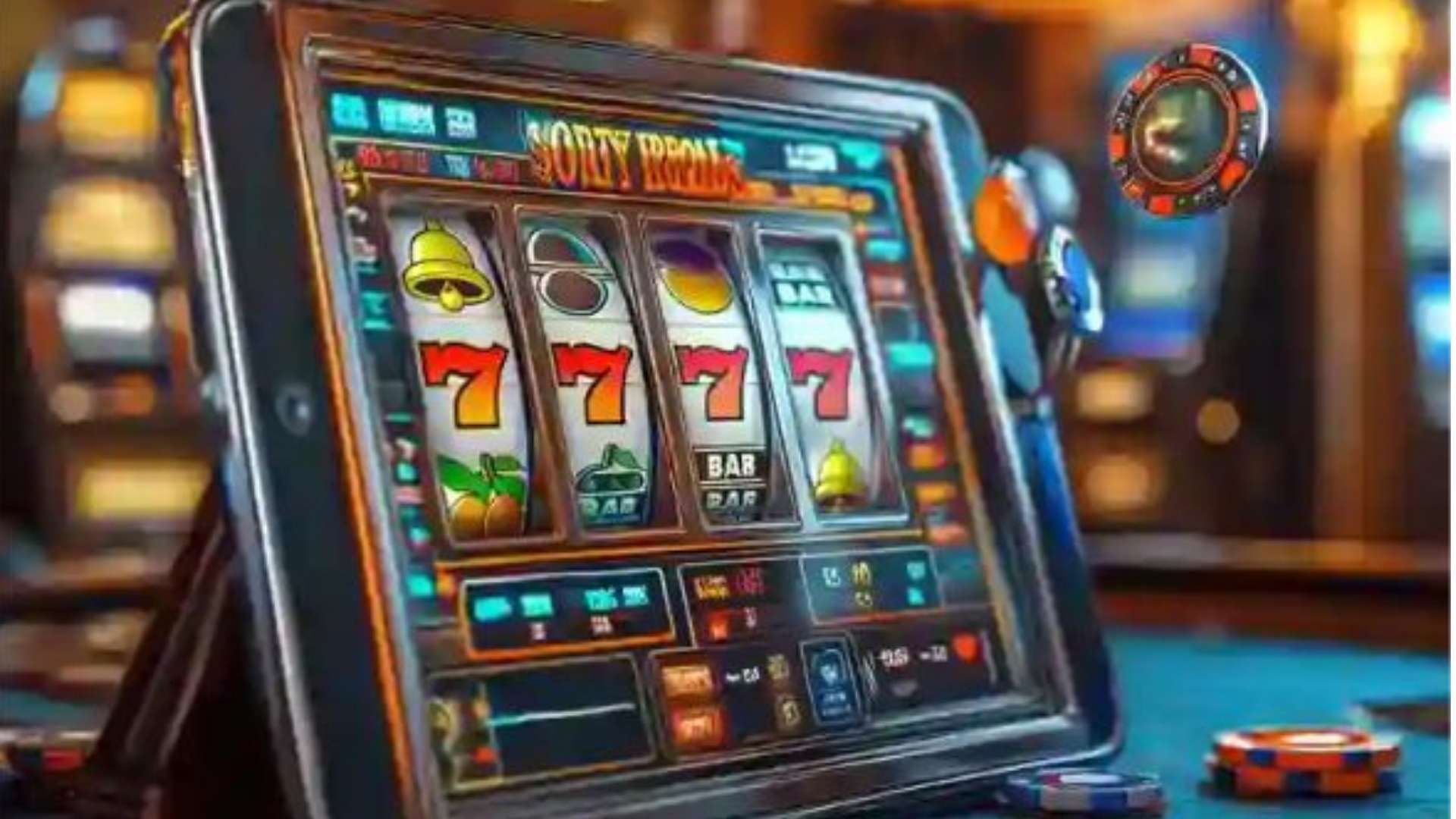
The mechanics of spinning prize games have shifted significantly from their historic carnival roots to become staples of digital media. While the physical action of a rotating dial remains satisfying, contemporary audiences require deeper engagement to stay interested over multiple sessions. The solution implemented by top-tier creators is the strategic expansion of incentive diversity across the visual interface.
The Psychology Behind Multi-Tiered Prizes
Human curiosity thrives on unpredictable outcomes, but it quickly tires of repetitive feedback structures. When a system provides a mix of small modifiers, unique tokens, and grand incentives, it continuously resets player expectations. This structural variation triggers a distinct cognitive loop that keeps each individual spin feeling entirely fresh and independent.
Furthermore, offering different classes of value ensures that participants do not experience a sense of routine disappointment during regular interactions. A balanced distribution model turns the simple motion into a multi-layered journey where every segment holds potential. This design choice effectively sustains an active level of suspense that single-reward setups cannot match.
How Mixed Incentives Elevate Casual Gameplay
Casual digital applications rely heavily on quick interactions that deliver a complete feeling of fulfillment in a short time frame. Incorporating a dynamic range of outcomes prevents the underlying software from feeling like a basic algorithmic sequence. Instead, players perceive the interface as a living environment filled with hidden opportunities and diverse outcomes.
Many prominent entertainment portfolios integrate these multifaceted reward systems directly into their core interactive platforms. For example, popular digital brands like m88 utilize varied segment configurations to maintain a vibrant and highly competitive user experience. This strategic application of creative game theory ensures that simple recreational concepts remain deeply relevant for modern mobile demographics.
Balancing Tangible Values and Interaction Boosters
An effective distribution framework goes beyond mixing financial value by introducing functional elements that alter subsequent turns. Modern developers frequently add extra spins, temporal multipliers, or mystery chests alongside standard numeric point awards. This variation shifts the participant's focus from a passive win-loss mindset to an active engagement strategy.
When a single round can grant a modifier that changes how future interactions behave, the overall entertainment value increases exponentially. This layer of mechanical depth transforms casual systems into sophisticated, progression-oriented designs without making the basic rules overly complicated. Players remain motivated because they feel their time investment yields a complex array of results.
The Evolving Architecture of Future Choice Mechanics
As virtual interfaces become increasingly adaptive, the methods used to diversify player incentives are expected to advance alongside new analytical software. Tomorrow's platforms will likely tailor the layout of rotational prizes based on individual interaction histories to maximize direct personal satisfaction. This shift will deepen brand loyalty by ensuring that selection structures match user preferences in real time.
Ultimately, keeping spin-based recreation attractive depends entirely on breaking predictability through creative reward engineering. By focusing on varied payout types and interactive modifiers, designers guarantee that the core mechanic preserves its historic sense of wonder. The perpetual magic of the wheel does not rely on the physical rotation itself, but on the rich spectrum of surprises waiting at the final stop.