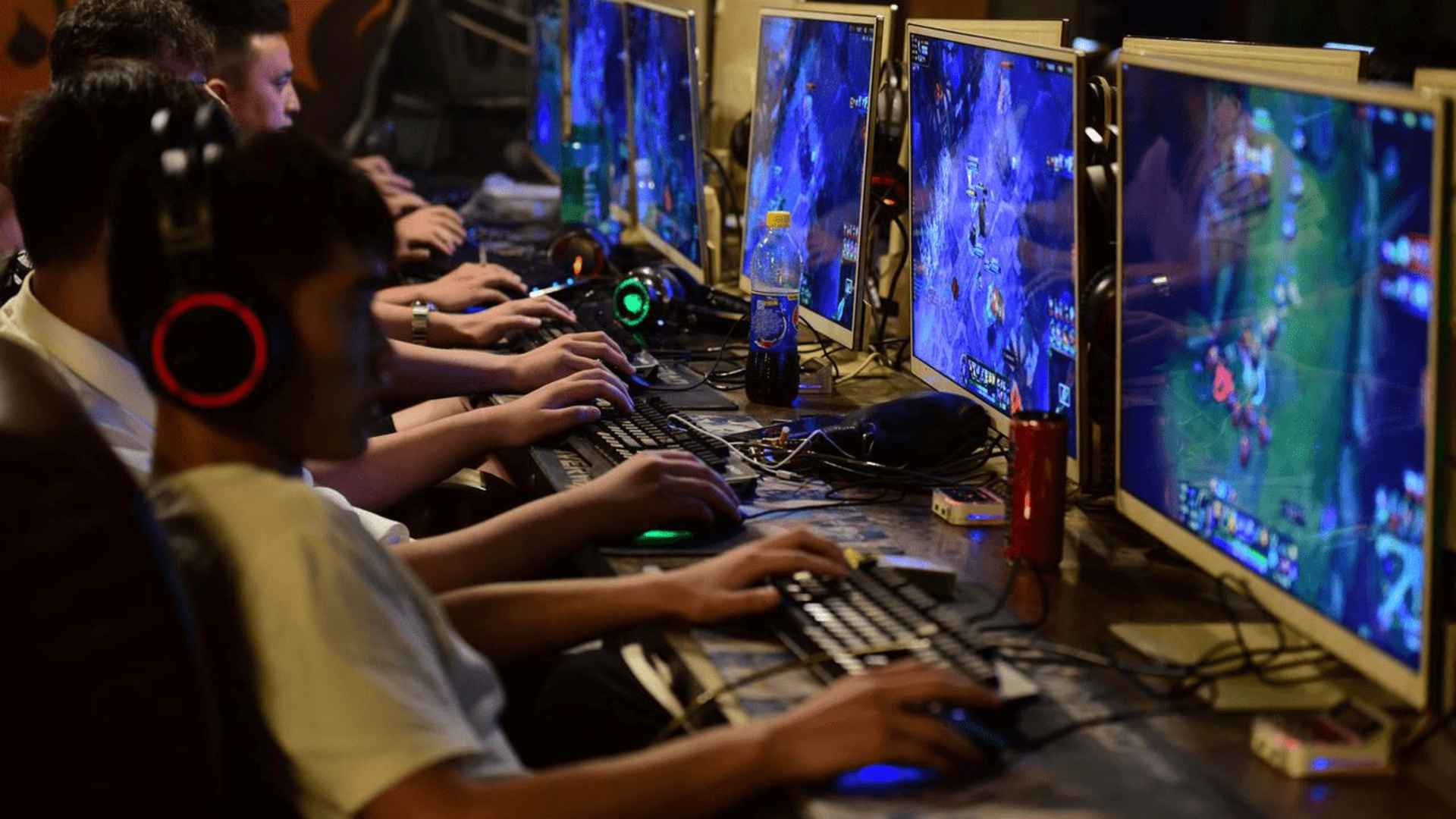
The modern gaming landscape has evolved dramatically, shifting from isolated single-player journeys into vibrant digital spaces that demand fluid collaboration. Achieving success in today's multiplayer environments requires more than just individual fast reflexes or personal skill development. It relies heavily on seamless interaction, robust communication systems, and shared objectives that bring communities together.
The Value of Real-Time Communication
Uninterrupted data transfer and low-latency systems serve as the critical infrastructure for active player groups. When squads engage in tactical missions, real-time updates ensure that everyone stays aligned during fast-paced encounters. Integrated tools allow team members to execute complex strategies without frustrating delays or network limitations.
Many modern platforms incorporate advanced messaging servers to deliver uninterrupted connections across different regions. To explore virtual arenas that emphasize these competitive features, players often look for dynamic hubs like M88 sports to follow top-tier gaming trends. Utilizing reliable digital channels ultimately helps teams bridge communication inequalities and sustain long-term engagement.
Strategic Alignment and Team Design
Successful cooperative gaming thrives on pairing players strategically rather than relying solely on random matchmaking. Modern design elements encourage participants to balance their roles, manage collective resources, and adapt to changing battle conditions dynamically. This intentional collaboration transforms basic multiplayer interactions into highly sophisticated team building experiences.
When a virtual group possesses a strong collective drive, certain individuals systematically improve overall team outcomes. This unique synergy demonstrates that well-coordinated groups can overcome complex challenges that single participants cannot manage alone. Developing these collaborative habits prepares gaming enthusiasts for highly structured competitive environments.
Overcoming Technological Infrastructure Challenges
Maintaining high performance in shared virtual worlds requires continuous network optimization and substantial bandwidth management. Developers constantly invest in global infrastructure to provide smooth matchmaking and minimize connectivity drops during critical matches. These ongoing technical updates ensure that the user experience remains stable, fair, and deeply immersive for everyone involved.
As digital entertainment boundaries continue to expand, cloud systems and robust broadband networks play an increasingly vital role. Reliable systems protect active communities from unexpected disruptions, keeping matches flowing naturally from start to finish. In this highly interconnected era, technological stability remains the true catalyst for exceptional multiplayer mastery.