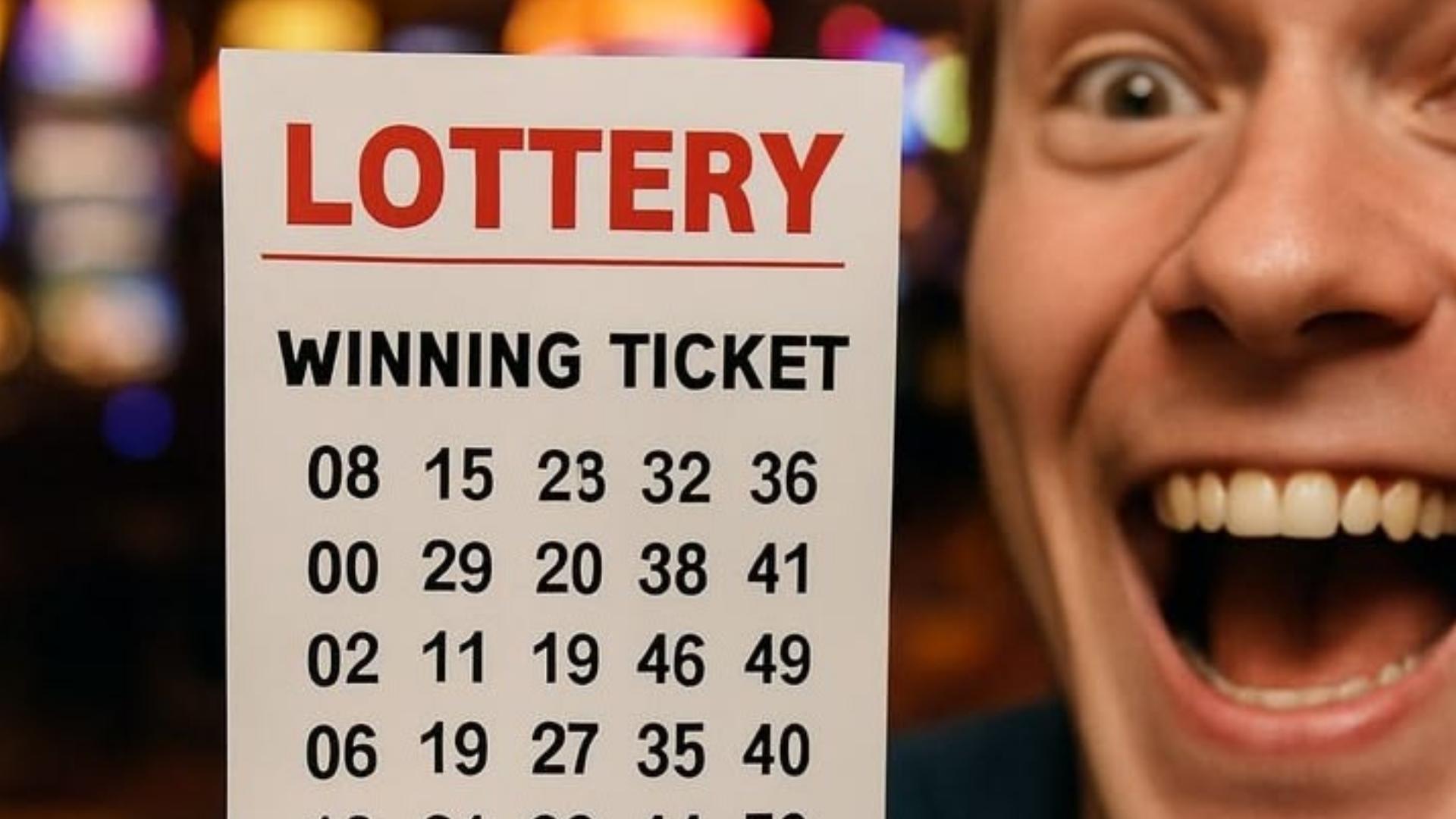
Interactive brain games that incorporate elements of mathematical probability are becoming increasingly popular tools for cognitive enhancement. These digital and tabletop exercises challenge players to evaluate risks dynamically while navigating unpredictable scenarios. By engaging with these systems, individuals can shift their decision-making processes away from simple intuition and toward structured data analysis.
The Cognitive Benefits of Probabilistic Thinking
Engaging with probability-based puzzles helps sharpen critical thinking and builds long-term mental agility. These challenges force the human brain to calculate potential outcomes under conditions of real uncertainty rather than relying on fixed patterns. Over time, consistent practice helps individuals manage their cognitive biases and reduces the anxiety associated with unexpected daily events.
Furthermore, these interactive formats provide immediate feedback loops that allow players to refine their estimation skills naturally. Witnessing how random variables interact over multiple rounds trains the mind to recognize statistical trends. This systematic approach effectively transforms complex mathematical concepts into practical tools for everyday problem solving.
Popular Formats of Probability-Based Brain Games
Modern developers have successfully blended traditional puzzle mechanics with advanced random number generators to create highly engaging experiences. Digital card challenges, randomized strategy maps, and dynamic dice simulations are among the most common variants available today. Each format requires a unique balance of strict logical deduction and fluid risk management to achieve high scores.
For sports enthusiasts looking to test their predictive analysis in active environments, checking out platforms like M88 sports offers a practical look at statistical odds in motion. Exploring how professional metrics fluctuate can serve as an excellent real-world extension of tabletop logic exercises. Navigating these modern interfaces allows players to observe the laws of large numbers operating in real time.
Shifting from Luck to Calculated Strategy
One of the most valuable lessons taught by probabilistic gaming is the fundamental distinction between pure luck and calculated strategy. While an isolated event might depend entirely on chance, long-term performance is heavily dictated by how well a player mitigates variance. Learning to make informed choices despite incomplete data is a crucial skill that applies directly to corporate and personal planning.
Advanced participants often utilize expected value calculations to guide their movements through complex gaming architectures. By weighing potential rewards against the mathematical likelihood of failure, they minimize unnecessary risks. This disciplined mental habit helps individuals remain analytical and composed even during highly volatile situations.
Implementing Math Games in Daily Routines
Integrating short statistical challenges into your morning routine is an excellent way to maintain optimal cognitive health. Spending just ten minutes a day with an interactive puzzle can activate areas of the cerebral cortex responsible for deep logical reasoning. These brief exercises keep the mind sharp and prepare it to handle complex workplace architecture efficiently.
Ultimately, the continuous rise of these interactive learning systems highlights a growing public desire for meaningful entertainment options. By converting abstract algebraic formulas into visual, gamified challenges, developers have made essential analytical skills accessible to everyone. Embracing these tools ensures that your cognitive training remains both intellectually stimulating and thoroughly enjoyable.