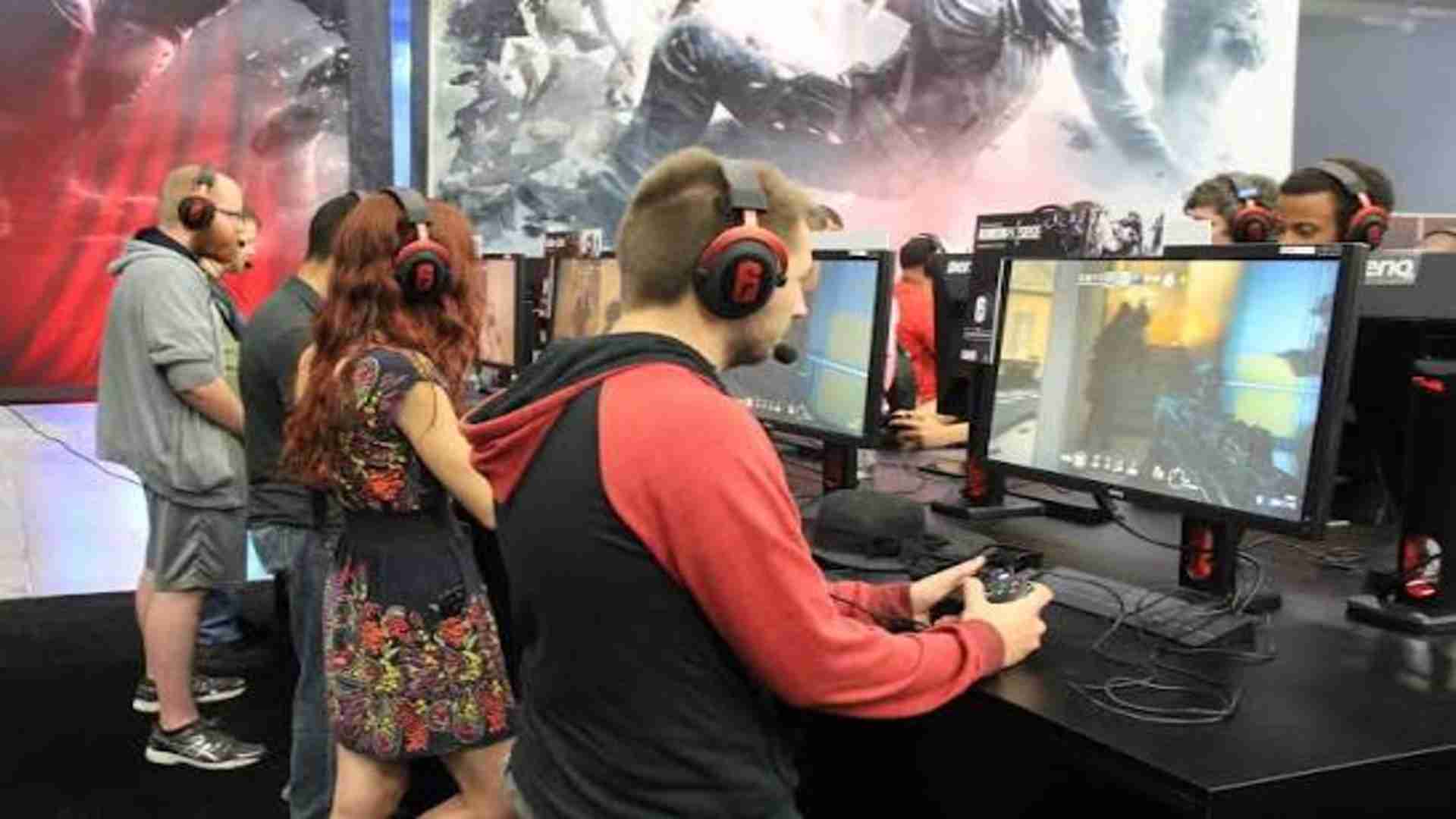
The landscape of online poker is undergoing a massive shift as developers focus heavily on creating highly optimized desktop and mobile applications. Modern poker client design now prioritizes smooth performance, visual clarity, and responsive interfaces to satisfy both competitive multi-tablers and casual gamers. As player demands grow increasingly complex, software engineering teams must innovate continuously to keep their virtual rooms stable and efficient.
The Shift Toward Modular and Lightweight Frameworks
Legacy poker installations often suffered from bloated code bases that led to high memory usage and sudden game freezes. To counter this, current development trends lean toward lightweight and modular architecture that processes real-time gaming metrics with minimal lag. This optimization ensures that critical player commands, such as bet resizing and table movements, register instantaneously during high-traffic periods.
Furthermore, these agile frameworks enable development teams to push regular background updates without disrupting active poker sessions. By refining data transfer pathways, modern systems maintain an exceptionally reliable virtual environment across varying computing configurations. This commitment to structural stability helps protect competitive advantages and secures player trust over extended grinding hours.
Enhancing Navigation and Visual Customization
User interface clarity plays a monumental role in minimizing cognitive friction and preventing costly misclicks during multi-table sessions. Modern designs emphasize a tidy aesthetic, removing unnecessary decorative clutter to focus entirely on chip counts, card values, and action buttons. Intuitive navigation patterns allow players to fluidly adjust settings or move through complex game lobbies without breaking concentration.
Advanced customization settings also give enthusiasts the power to tailor their workspace according to specific display requirements. From choosing minimalist virtual felt designs to configuring custom keyboard shortcuts, these personalized elements dramatically reduce fatigue. Developers understand that giving users control over their gaming environment leads to much higher player retention and overall daily satisfaction.
Cross Platform Interoperability and Ecosystem Variety
The contemporary card room must operate flawlessly across an expansive ecosystem of hardware options, from high-end desktop setups to smartphones. Ensuring identical functionality and processing speed across distinct operating systems requires advanced cross-device software harmonization. Players now expect a seamless transition when moving their active game sessions from a home office to portable screens.
This drive for technical versatility mirrors the growth seen in other online leisure software categories, including specialized gaming applications and interactive platform portals. For instance, when analyzing broad internet entertainment options like a responsive m88 slot framework, developers notice identical consumer demands for minimal latency and high layout fluidity. Providing a synchronized and smooth user experience ensures maximum accessibility for a global audience.
Data Integration and Long Term Usability
Premium poker client software increasingly integrates built-in statistical utilities to help participants monitor their overall strategic growth and table histories. Automated hand logging systems compile structural data loops smoothly in the background without draining essential processing capabilities. These features allow individuals to review their playstyles and make objective assessments after finishing a routine session.
Looking ahead, software creators remain focused on fortifying backend infrastructure against potential network drops and connection disruptions. Ongoing system maintenance and code optimizations guarantee that the underlying applications scale effectively as player pools grow. By combining robust utility tools with unyielding platform stability, modern client development establishes a secure foundation for the future of digital card gaming.